Even though the year is slowly coming to an end, that doesn’t mean we can take it easy in the garden.
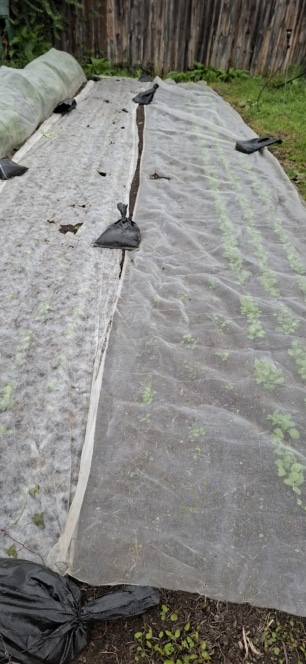
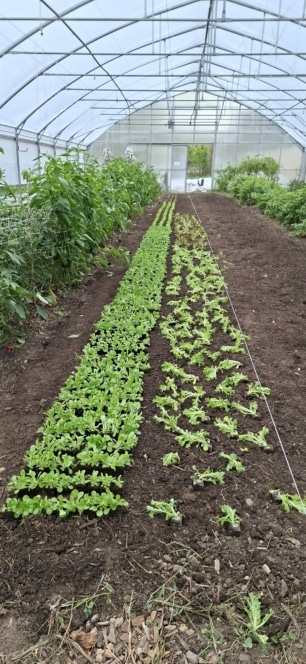
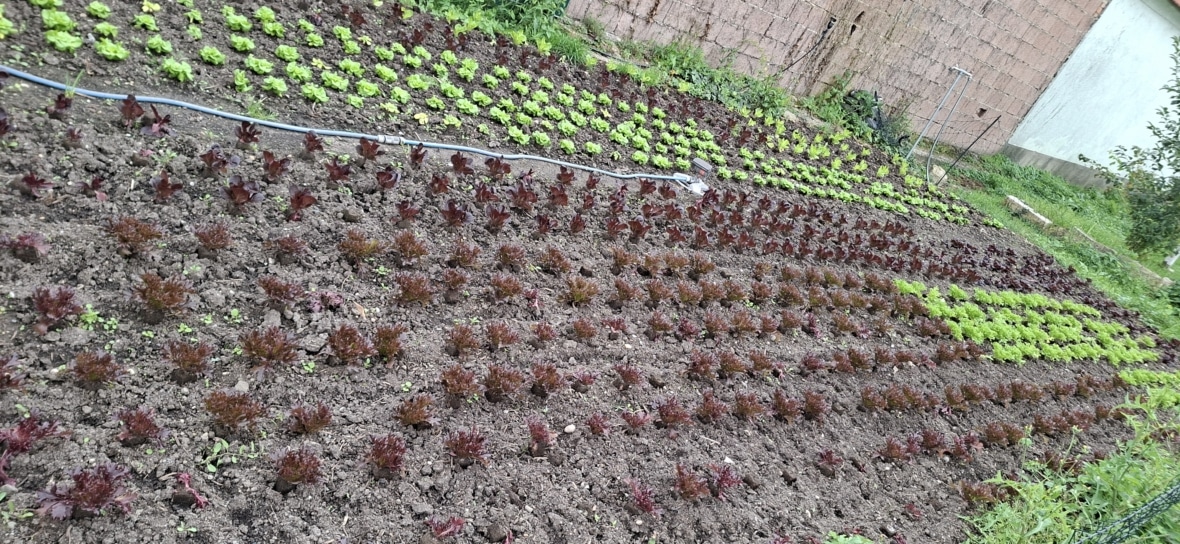
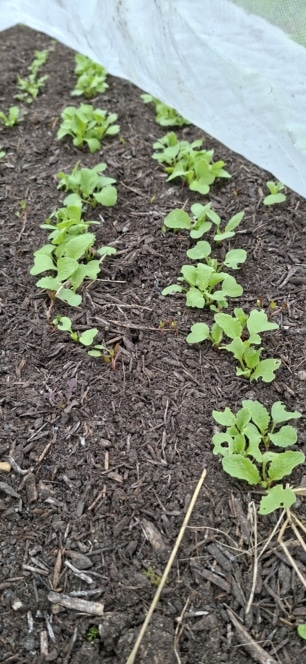
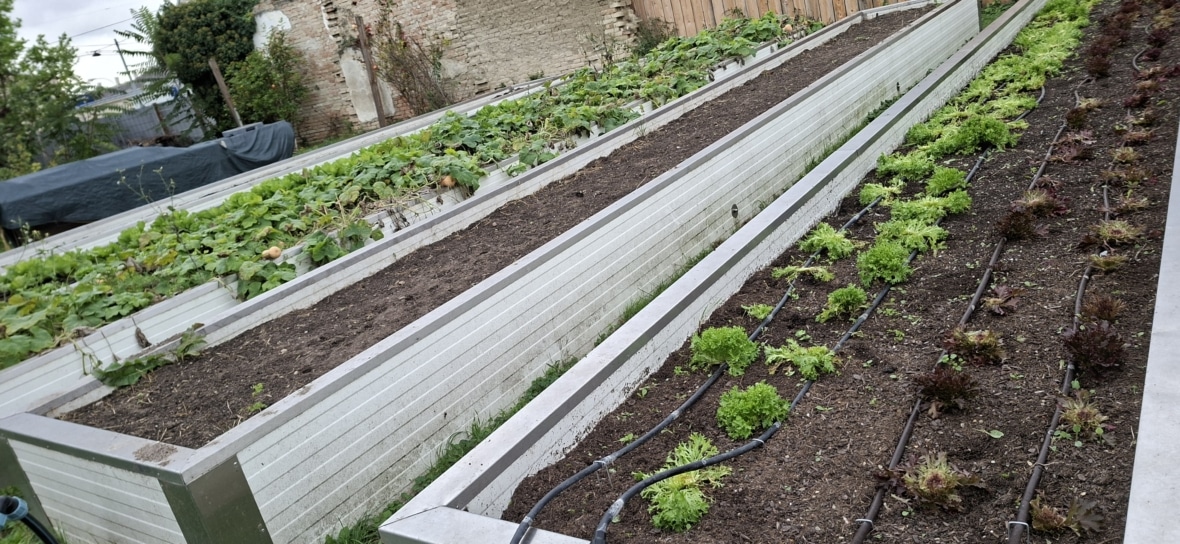
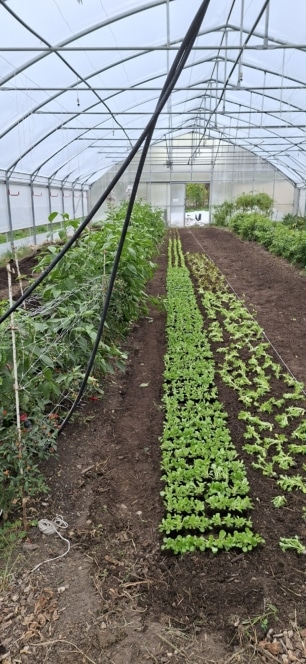
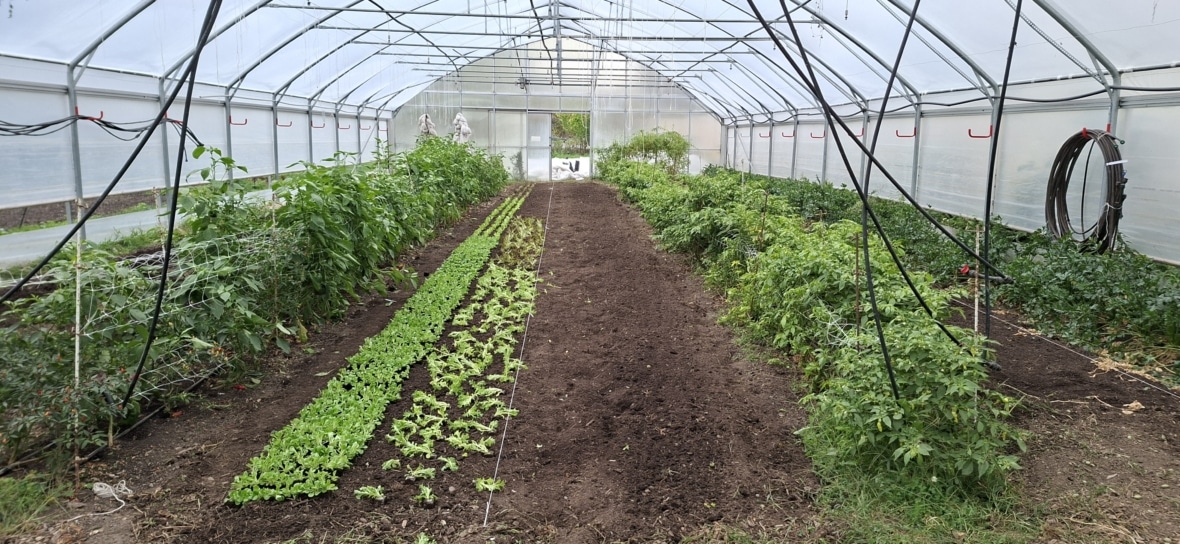
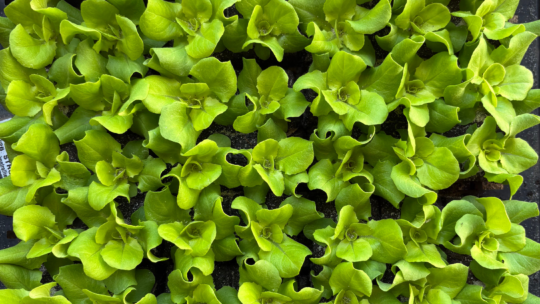
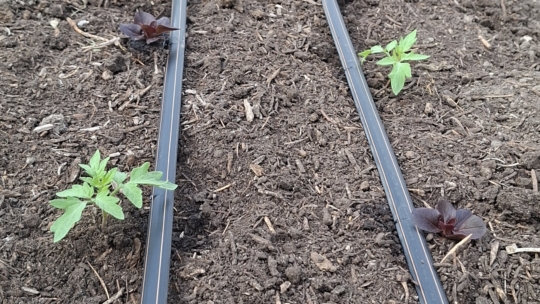
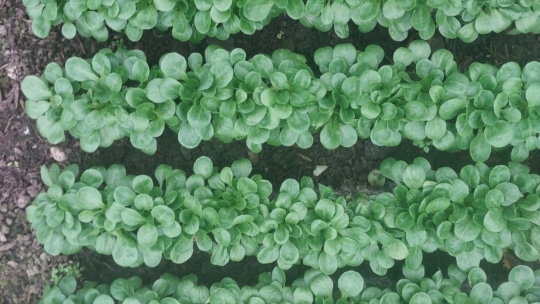
Thanks to Austria’s mild winters, it is possible to grow many crops even during the cold season. However, since daylight hours decrease significantly during the winter months, vegetable plants require a much longer growing season. To ensure we can still harvest as much as possible, we start planting the first crops as early as mid-September. For us, that meant radishes, Asian greens, bok choy, spinach, and fall turnips. The first young plants were also planted. After we had removed our tomato plants in mid-September, we tilled the soil with a tiller and spread a layer of fresh stale-bread compost about 5 cm thick. It suppresses root weeds, provides plants with essential nutrients, and creates a warmer soil environment. The first batch of young plants consisted of lamb’s lettuce, various types of leaf lettuce, parsley, cilantro, and specialty varieties such as winter purslane and hart’s-tongue plantain.
Fall is in full swing…
But summer on our plates isn’t quite over yet: Thanks to the protection provided by our plastic tunnel, we can leave plants like Habanada and Shishito in the ground until November and hope that all the fruits ripen well.
At the start of fall, we also take the time to sit down with the chefs at the Feierabend restaurants to review the year and the crops we’ve harvested, and to discuss the planting plan for the coming year. Armed with these important insights, we are using the quieter winter months to prepare our planting plans and order all the seeds and seedlings we need.